Adaptive Learning Systems Explained

Adaptive learning systems represent a significant shift in educational methodologies. By utilizing data-driven algorithms, these systems offer personalized instructional experiences tailored to individual student needs. This approach not only addresses specific learning gaps but also promotes greater engagement. As educational institutions increasingly adopt this technology, questions arise about its broader implications for traditional teaching methods and student outcomes. What challenges and opportunities lie ahead in this evolving landscape?
What Are Adaptive Learning Systems?
While traditional educational methods often follow a one-size-fits-all approach, adaptive learning systems represent a significant shift in how personalized education can be delivered.
These systems leverage learning analytics to analyze individual student performance, enabling customized education tailored to unique needs.
How Do Adaptive Learning Systems Work?
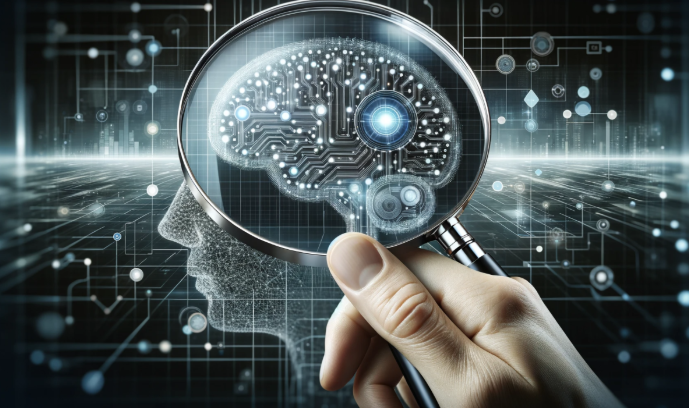
Adaptive learning systems operate by utilizing advanced algorithms and data analytics to personalize educational experiences.
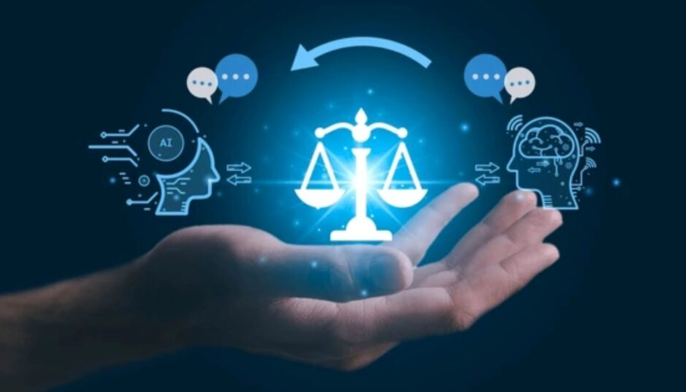
These systems assess individual learner profiles, tracking progress and identifying strengths and weaknesses. By applying learning algorithms, they adjust content delivery and pacing accordingly, ensuring each learner receives tailored instruction.
This dynamic approach fosters autonomy and engagement, allowing learners to navigate their educational journeys more effectively.
See also: thelakewoodscoop
Advantages of Personalized Learning in Education
Personalized learning in education offers numerous advantages that enhance student engagement and achievement.
By tailoring educational experiences to individual needs, it fosters deeper understanding and retention of knowledge. This approach not only motivates learners but also leads to improved learning outcomes.
As students progress at their own pace, they develop critical thinking skills, ultimately empowering them to take charge of their educational journeys.
The Future of Adaptive Learning Systems in Education
The evolution of personalized learning has paved the way for more sophisticated adaptive learning systems in education.
Future trends indicate a significant integration of technological innovations, enhancing individualized learning experiences. As data analytics and artificial intelligence evolve, adaptive systems will better address diverse student needs, promoting autonomy and engagement.
This progression promises to redefine educational paradigms, fostering environments that prioritize learner freedom and adaptability.
Conclusion
In conclusion, adaptive learning systems stand as a beacon of innovation in education, illuminating pathways to personalized learning experiences. By harnessing the power of data and technology, these systems tailor educational journeys, much like a skilled gardener nurturing diverse plants to thrive in their unique environments. As they evolve, adaptive learning systems promise to reshape the educational landscape, fostering autonomy and engagement, and ultimately cultivating a generation of learners equipped to flourish in an ever-changing world.